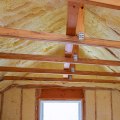
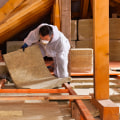
Insulation is a critical component of any building, playing a vital role in maintaining a comfortable indoor environment while also enhancing energy efficiency. When properly installed, insulation acts as a barrier against heat transfer, keeping your home warm in the winter and cool in the summer. This not only contributes to a more pleasant living space but also significantly reduces the reliance on heating and cooling systems, leading to lower energy bills.The importance of insulation cannot be overstated. In fact, studies have shown that homes with adequate insulation can save homeowners up to 20% on their energy costs.
This is particularly relevant for a 500 square foot room, where the right insulation can make a noticeable difference in both comfort and expenses. By minimizing heat loss during colder months and preventing heat gain during warmer months, insulation helps create a stable indoor climate that enhances overall well-being.Moreover, the benefits of insulation extend beyond just financial savings. A well-insulated room can also improve soundproofing, reducing noise pollution from outside and between rooms. This is especially beneficial in urban areas or homes with multiple occupants.
Additionally, proper insulation can help prevent moisture buildup, which can lead to mold growth and other structural issues over time.In summary, understanding the significance of insulation is essential for any homeowner looking to optimize their living space. As we delve deeper into this guide on insulating a 500 square foot room, you will discover various types of insulation materials, installation techniques, and tips for maximizing energy efficiency. By investing in quality insulation installation, you are not only enhancing your home’s comfort but also making a smart financial decision that pays off in the long run.
Calculating Insulation Needs for a 500 Square Foot Room
When it comes to insulation installation in a 500 square foot room, accurately calculating your insulation needs is essential for achieving optimal energy efficiency and comfort. The first step in this process is understanding the concept of R-value, which measures the insulation's resistance to heat flow.The higher the R-value, the better the insulation's effectiveness. Different regions have varying R-value requirements based on climate, so it's crucial to consult local building codes or guidelines to determine the appropriate R-value for your area.To calculate how much insulation you need, you can use an insulation calculator. These tools typically require you to input the dimensions of your room, the type of insulation you plan to use, and your desired R-value. For a 500 square foot room, you will need to consider not just the walls but also the ceiling and floor if applicable.
Step-by-Step Calculation
- Measure Your Space: Start by measuring the total square footage of each surface that requires insulation.
For walls, multiply the height by the length of each wall. For ceilings and floors, simply use the room's total square footage.
- Determine R-Value Requirements: Check local building codes for recommended R-values based on your climate zone. For example, colder climates may require an R-value of 30 or higher for ceilings and 20 for walls.
- Select Insulation Type: Choose between various insulation materials such as fiberglass batts, spray foam, or cellulose. Each type has different R-values per inch, which will affect how much material you need.
- Calculate Total Insulation Needed: Divide the total square footage of each surface by the coverage provided by your chosen insulation type (usually listed on the packaging).
This will give you the total amount of insulation required in square feet.
Cost Factors in Insulation Installation
When planning for insulation installation in a 500 square foot room, understanding the various cost factors is essential for effective budgeting. The overall expense can vary significantly based on several key elements, which we will explore in detail.Material Choices
The type of insulation material you choose plays a crucial role in determining the cost.Common options include:
- Fiberglass Insulation: This is one of the most affordable options, typically ranging from $0.50 to $2.00 per square foot. It is widely used due to its effectiveness and ease of installation.
- Cellulose Insulation: Made from recycled paper products, cellulose is eco-friendly and offers good thermal performance, costing between $0.90 and $2.50 per square foot.
- Spray Foam Insulation: While this option provides superior air sealing and insulation value, it is also the most expensive, with costs ranging from $1.50 to $3.00 per square foot.
Labor Costs
The complexity of the installation process can significantly impact labor costs. Hiring a professional contractor may cost between $40 to $70 per hour, depending on their experience and location. Factors that can influence labor costs include:- Accessibility: If the room is difficult to access or requires special equipment, labor costs may increase.
- Experience Level: More experienced contractors may charge higher rates but can often complete the job more efficiently.
- Job Complexity: Rooms with unique features such as vaulted ceilings or numerous windows may require additional time and expertise to insulate properly. Rooms with unique features such as vaulted ceilings or numerous windows may require additional time and expertise to insulate properly.
Site-Specific Challenges
The location and condition of the room can also affect insulation costs.Considerations include:
- Existing Structures: If there are existing walls or ceilings that need to be removed or modified, this can add to the overall cost.
- Pest Infestations: If pests have damaged existing insulation, remediation may be necessary before new insulation can be installed.
- Local Building Codes: Compliance with local regulations may require specific materials or methods that could increase costs.
DIY vs. Professional Installation: What You Need to Know
When it comes to insulation installation, homeowners often face a critical decision: should they tackle the project themselves or hire a professional? Each option has its own set of advantages and disadvantages, and understanding these can help you make an informed choice that best suits your needs.DIY Insulation Installation
Opting for a DIY approach can be appealing for several reasons:- Cost Savings: One of the most significant benefits of DIY insulation is the potential for cost savings. By eliminating labor costs, you can significantly reduce the overall expense of the project.
- Control Over the Project: When you handle the installation yourself, you have complete control over the materials used, the timeline, and the overall process.
This can be particularly satisfying for those who enjoy hands-on work.
- Learning Experience: Completing a DIY insulation project can be a valuable learning experience. You’ll gain knowledge about home improvement and energy efficiency that can benefit you in future projects.
- Time-Consuming: Insulating a room properly takes time and effort. If you have a busy schedule, dedicating hours to this task may not be feasible.
- Potential for Mistakes: Without professional experience, there’s a risk of making mistakes that could compromise the effectiveness of the insulation. Improper installation can lead to air leaks and reduced energy efficiency.
- Lack of Specialized Tools: Some insulation types require specialized tools for installation.
If you don’t already own these tools, purchasing or renting them can add to your costs.
Professional Insulation Services
Hiring professionals for insulation installation offers its own set of benefits:- Expertise and Experience: Professionals bring years of experience and knowledge to the table. They understand the nuances of different insulation types and can recommend the best options for your specific situation.
- Efficiency: A professional team can complete the job more quickly than most DIYers, minimizing disruption to your home life.
- Quality Assurance: Many professional services offer warranties on their work, providing peace of mind that any issues will be addressed without additional costs.
- Higher Costs: The most apparent downside is the cost. Professional services come with labor fees that can significantly increase your budget.
- Lack of Control: When you hire someone else, you relinquish some control over how the project is executed. This may not align with your vision or preferences.
Assessing these factors will help you make a decision that ensures your 500 square foot room is insulated effectively and efficiently.
Step-by-Step Guide to Insulating Your Room
Insulating a 500 square foot room can seem daunting, but with a clear step-by-step approach, you can achieve effective results whether you choose to do it yourself or hire professionals. Below is a comprehensive guide to help you through the insulation installation process.- Assess Your Space
Before starting, evaluate the room's current insulation status. Check for drafts, moisture issues, and existing insulation materials. This assessment will guide your choice of insulation type and installation method. - Select the Right Insulation Material
Choose an insulation material that suits your needs.Common options include:
- Fiberglass Batts: Cost-effective and easy to install, ideal for walls and ceilings.
- Spray Foam: Provides excellent air sealing and insulation but is more expensive.
- Cellulose: Made from recycled paper, it's eco-friendly and effective for filling gaps.
- Gather Your Tools and Materials
Ensure you have all necessary tools before starting. Common tools include:- Utility knife
- Measuring tape
- Stapler or adhesive
- Safety gear (gloves, goggles, mask)
- Prepare the Area
Clear the room of furniture and cover floors with drop cloths to protect them from debris. Ensure proper ventilation if using spray foam or other chemical-based products. - Insulate the Walls
For wall insulation, follow these steps:- If using batts, cut them to fit snugly between studs without compressing them.
- For spray foam, apply it evenly in wall cavities, ensuring complete coverage.
- Seal any gaps with caulk or foam to prevent air leaks.
- Insulate the Ceiling
If your room has a ceiling that requires insulation:- Install batts or rolls between ceiling joists, ensuring they fit tightly.
- If using spray foam, apply it directly to the underside of the roof deck for maximum efficiency.
- Finish Up
After installing insulation, cover it with drywall or other finishing materials as needed. Ensure all seams are sealed properly to maintain energy efficiency. - Inspect Your Work
Finally, conduct a thorough inspection of your installation.Look for any missed spots or areas that may need additional sealing. Properly installed insulation will significantly enhance your room's comfort and energy efficiency.
Common Mistakes to Avoid When Insulating
When it comes to insulation installation, even small oversights can lead to significant issues down the line. Homeowners often make common mistakes that can compromise the effectiveness of their insulation, leading to higher energy bills and discomfort.Here are some prevalent errors to avoid:
- Neglecting to Assess Existing Insulation: Before adding new insulation, it’s crucial to evaluate what is already in place. Many homeowners overlook this step, which can result in inadequate coverage or even moisture problems if old insulation is not properly managed.
- Choosing the Wrong Type of Insulation: Not all insulation materials are created equal. Selecting an inappropriate type for your specific climate or room usage can lead to inefficiencies. For instance, using fiberglass in a damp area may not be ideal, as it can absorb moisture and lose its insulating properties.
- Improper Installation Techniques: Insulation must be installed correctly to function effectively.
Common mistakes include leaving gaps, compressing the material, or failing to seal edges properly. These errors can create thermal bridges that allow heat transfer, negating the benefits of insulation.
- Ignoring Air Sealing: Insulation alone is not enough; air sealing is equally important. Failing to seal cracks and openings around windows, doors, and other penetrations can lead to drafts and heat loss, undermining your insulation efforts.
- Overlooking Ventilation Needs: Proper ventilation is essential when insulating a room. Without adequate airflow, moisture can build up, leading to mold growth and structural damage.
Ensure that your insulation strategy includes provisions for ventilation.
- Underestimating R-Value Requirements: The R-value measures insulation's resistance to heat flow. Homeowners often underestimate the R-value needed for their specific region or room type. Research local building codes and climate recommendations to ensure you choose insulation with the appropriate R-value.
Maintaining Your Insulation: Tips for Longevity
Proper insulation is essential for maintaining a comfortable and energy-efficient home.However, over time, insulation can degrade or become less effective due to various factors. To ensure your insulation remains in optimal condition, it’s important to implement a regular maintenance routine. Here are some tips to help you maintain your insulation and extend its longevity.
Regular Inspections
Conducting regular inspections of your insulation is crucial. Look for signs of wear and tear, such as:- Moisture Damage: Check for any signs of water damage or mold growth, which can compromise the effectiveness of your insulation.
- Compression: Ensure that the insulation material has not been compressed, as this can significantly reduce its insulating properties.
- Pest Infestation: Look for signs of pests, such as droppings or nests, which can damage insulation materials.
- Air Leaks: Inspect for drafts around windows, doors, and other openings that may indicate insufficient insulation.
Addressing Issues Promptly
If you notice any of the above issues during your inspections, it’s important to address them promptly.For instance:
- If you find moisture damage, identify the source of the leak and repair it before replacing or repairing the affected insulation.
- For pest infestations, consult a pest control professional to eliminate the problem before replacing any damaged insulation.
Upgrading Insulation Materials
As technology advances, newer insulation materials may offer better performance than older options. If your home still has outdated insulation types like fiberglass batts or outdated foam boards, consider upgrading to more efficient materials such as:- Spray Foam Insulation: Provides superior air sealing and thermal resistance.
- Cellulose Insulation: Made from recycled materials and offers excellent soundproofing qualities.
Professional Assessments
Consider hiring a professional to assess your insulation periodically. They can provide insights into its condition and recommend necessary upgrades or repairs. A professional can also perform energy audits to identify areas where heat loss occurs and suggest improvements.In conclusion, maintaining your insulation is vital for ensuring its longevity and effectiveness.By conducting regular inspections, addressing issues promptly, considering upgrades, and seeking professional assessments, you can keep your home comfortable and energy-efficient for years to come.
Frequently Asked Questions About Insulation Installation
When it comes to insulation installation, homeowners often have a myriad of questions. Understanding the nuances of insulation can significantly impact both the effectiveness of the installation and the overall comfort of your living space. Below are some frequently asked questions that can help clarify common concerns.What types of insulation are best for a 500 square foot room?
The choice of insulation largely depends on the specific needs of your room. Common options include:- Fiberglass Batts: These are pre-cut panels that fit between wall studs and are easy to install.
- Blown-In Insulation: Ideal for attics and hard-to-reach areas, this type is blown into place using specialized equipment.
- Spray Foam Insulation: This option expands on application, filling gaps and providing an excellent air seal.
- Cellulose Insulation: Made from recycled paper, this eco-friendly option is treated for fire resistance and is often used in walls and attics.
How do I know if my insulation is installed correctly?
Proper installation is crucial for maximizing the effectiveness of your insulation.Signs of improper installation include:
- Cold Spots: Areas in your room that feel significantly colder than others may indicate insufficient insulation.
- High Energy Bills: If your heating or cooling costs are unexpectedly high, it could be a sign that your insulation isn’t performing as it should.
- Mold Growth: Moisture issues can arise from poorly installed insulation, leading to mold growth in walls or ceilings.
What should I do if I notice insulation issues?
If you suspect problems with your insulation, it’s essential to address them promptly. Here are steps you can take:- Inspect Visually: Check accessible areas for signs of damage or settling.
- Consult a Professional: If you’re unsure about the condition of your insulation, hiring an expert can provide peace of mind and ensure proper evaluation.
- Consider Upgrades: If your insulation is outdated or ineffective, upgrading to a more efficient type may be beneficial.
Conclusion: Making Informed Decisions About Insulation Installation
In summary, the journey to effectively insulate a 500 square foot room is multifaceted and requires careful consideration of various factors. From the type of insulation material to the specific installation techniques, each decision plays a crucial role in achieving optimal energy efficiency and comfort.As we have discussed, selecting the right insulation type is paramount. Whether you opt for blown insulation, loose fill insulation, or another variant, understanding the properties and benefits of each material can significantly influence your overall satisfaction with the project.For instance, while fiberglass may be a popular choice due to its affordability, cellulose offers superior thermal performance and is more environmentally friendly.Moreover, the location and accessibility of the room can greatly impact both the cost and complexity of the installation process. Rooms situated on upper floors or those with unique architectural features may require additional planning and resources. Therefore, it’s essential to assess these factors early in your planning stage.Labor costs are another critical component that should not be overlooked. Engaging experienced professionals can ensure that the installation is performed correctly, maximizing the effectiveness of your insulation.
Always seek multiple quotes and consider not just the price but also the contractor's reputation and experience in insulation installation.Ultimately, making informed decisions about your insulation project will lead to long-term benefits, including reduced energy bills and enhanced comfort in your living space. Take the time to research, consult with experts, and weigh your options carefully. By doing so, you will not only protect your investment but also contribute positively to your home’s energy efficiency.In conclusion, proper insulation installation is an investment in your home’s future. With thoughtful planning and execution, you can create a cozy environment that stands up to seasonal changes while keeping energy costs manageable.