Home insulation is a critical component of any building, serving as the first line of defense against the elements. It plays a vital role in maintaining a comfortable indoor environment, regardless of the weather outside. When properly installed, insulation helps to regulate temperature, keeping your home warm in the winter and cool in the summer. This not only enhances your comfort but also significantly reduces the need for heating and cooling systems to work overtime, leading to lower energy bills.Understanding the importance of insulation goes beyond mere comfort; it directly impacts your home's energy efficiency.
Insulation acts as a barrier that slows down the transfer of heat, which means that less energy is required to maintain your desired indoor climate. In fact, according to the U. S. Department of Energy, proper insulation can save homeowners up to 20% on their heating and cooling costs.
This translates into substantial savings over time, making insulation not just an expense but a wise investment.Moreover, effective insulation contributes to a more sustainable living environment. By reducing energy consumption, you are also minimizing your carbon footprint, which is increasingly important in today’s world where climate change is a pressing concern. Homes that are well-insulated require less energy from fossil fuels, thereby contributing to a cleaner and healthier planet.In summary, the benefits of home insulation extend far beyond immediate comfort and cost savings. It enhances energy efficiency, promotes sustainability, and ultimately leads to a more enjoyable living experience.
As we delve deeper into this article, we will explore various methods and materials for insulation installation, ensuring that you can make informed decisions that align with both your budget and environmental goals.
Identifying Areas That Need Insulation
Identifying the areas in your home that require insulation is a crucial step in enhancing energy efficiency and comfort. A thorough assessment can help you pinpoint where heat loss occurs, allowing you to focus your efforts and budget effectively. Here are some common areas to inspect:- Attics: The attic is often the first place to check for insulation needs. Since heat rises, a poorly insulated attic can lead to significant energy loss.
Look for gaps in insulation or areas where the insulation is compressed or missing altogether.
- Basements and Crawl Spaces: These areas are frequently overlooked but can be major sources of heat loss. Inspect the walls and floors for any signs of inadequate insulation. If your basement is unconditioned, consider adding insulation to the walls to prevent cold air from seeping in.
- Exterior Walls: Check the exterior walls of your home, especially around windows and doors. Look for cracks or gaps that may allow air to escape.
If you notice drafts, it may be time to add insulation or seal these areas with caulk or weatherstripping.
- Floors: If you have an uninsulated space beneath your floors, such as a crawl space, this can lead to cold floors in winter. Insulating the floor joists can help maintain a comfortable temperature throughout your home.
- Garage: If your garage is attached to your home, it can impact the overall temperature of your living space. Insulating the walls and ceiling of the garage can help keep your home warmer in winter and cooler in summer.
- Visual Inspection: Walk through your home and visually inspect each area mentioned above. Look for signs of wear, gaps, or missing insulation.
- Temperature Test: On a cold day, run your hand along walls, windows, and doors to feel for drafts.
You can also use an infrared thermometer to identify cold spots.
- Professional Assessment: If you're unsure about conducting an assessment yourself, consider hiring a professional energy auditor. They can provide a detailed analysis of your home's insulation needs.
Sealing Air Leaks: The First Step to Budget Insulation
Sealing air leaks is a crucial first step in enhancing your home’s insulation without incurring significant costs. Air leaks can lead to substantial energy loss, making your heating and cooling systems work harder and driving up your utility bills. By effectively sealing these leaks, you can create a more comfortable living environment while also saving money.Here are some practical techniques for sealing air leaks:- Weatherstripping: This is one of the most effective and budget-friendly methods for sealing gaps around doors and windows.
Weatherstripping comes in various materials, including foam, felt, and vinyl. To install, simply measure the length of the gap, cut the weatherstripping to size, and adhere it to the frame. Ensure a snug fit to prevent drafts.
- Caulking: Caulk is ideal for filling cracks and gaps in stationary components of your home, such as window frames, baseboards, and around plumbing fixtures. Choose a high-quality caulk that is suitable for both indoor and outdoor use.
Apply it with a caulking gun, smoothing it out with a finger or a caulk smoothing tool for a clean finish.
- Door Sweeps: Installing door sweeps at the bottom of exterior doors can significantly reduce drafts. These are typically made of rubber or bristle materials that create a seal when the door is closed. They are easy to install and can be found at most hardware stores.
- Foam Sealant: For larger gaps or holes, expanding foam sealant can be an excellent choice. This product expands upon application to fill voids effectively.
It’s particularly useful for sealing around pipes, vents, and electrical outlets where air leakage is common.
- Insulating Curtains: While not a traditional sealing method, heavy or thermal curtains can help block drafts from windows. They add an extra layer of insulation and can enhance the aesthetic appeal of your home.
Cost-Effective Insulation Materials
When it comes to insulation installation, selecting the right materials can significantly impact both your budget and the effectiveness of your home’s energy efficiency.Fortunately, there are several affordable insulation materials available that can help you achieve a comfortable living environment without straining your finances.
Fiberglass Insulation
Fiberglass insulation is one of the most commonly used materials due to its cost-effectiveness and availability. It typically comes in batts or rolls, making it easy to install in walls, attics, and floors. The average cost ranges from $0.50 to $1.50 per square foot, depending on the thickness and type. Fiberglass has a decent R-value, which measures thermal resistance, making it a reliable choice for many homeowners.
Cellulose Insulation
Another budget-friendly option is cellulose insulation, made from recycled paper products.
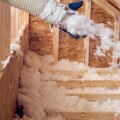
This eco-friendly material is treated with fire retardants and can be blown into walls or attics, filling gaps and voids effectively. The cost of cellulose insulation generally falls between $0.60 and $2.00 per square foot. Its R-value is comparable to fiberglass, making it an excellent choice for those looking to insulate their homes sustainably.
Denim InsulationDenim Insulation
For those interested in sustainable options, denim insulation is an innovative material made from recycled cotton fibers. While it may be slightly more expensive than traditional options—ranging from $1.00 to $3.00 per square foot—it offers excellent thermal performance and soundproofing qualities.
Additionally, denim insulation is free from harmful chemicals, making it a safe choice for indoor air quality.
Mineral Wool Insulation
Mineral wool, also known as rock wool or slag wool, is another viable option that provides excellent thermal resistance and soundproofing capabilities. It is fire-resistant and can withstand high temperatures, making it suitable for areas prone to heat exposure. The cost of mineral wool insulation typically ranges from $0.80 to $2.00 per square foot.
Spray Foam Insulation
While spray foam insulation can be more expensive upfront—averaging between $1.50 and $3.00 per square foot—it offers superior air sealing properties that can lead to long-term energy savings. This material expands upon application, filling gaps and creating an airtight barrier that significantly reduces energy loss.In conclusion, when considering budget insulation options, it's essential to evaluate the costs and benefits of each material type.
By choosing the right insulation for your home, you can enhance energy efficiency while staying within your budget.
DIY Insulation Installation Techniques
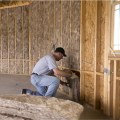
Installing insulation in your home can be a rewarding DIY project that not only enhances comfort but also reduces energy costs. However, it’s essential to approach this task with the right knowledge and tools. Below are detailed steps and tips to guide you through the process of DIY insulation installation.Safety Precautions
- Always wear protective gear, including gloves, goggles, and a mask, especially when handling materials like fiberglass.
- Ensure proper ventilation in the area where you are working to avoid inhaling any dust or fumes.
- Be cautious when using ladders or working in tight spaces to prevent accidents.
Necessary Tools
- Utility knife for cutting insulation materials.
- Measuring tape to ensure accurate sizing.
- Staple gun for securing insulation in place.
- Safety gear as mentioned above.
- Foam sealant or caulk for sealing gaps and cracks.
Step-by-Step Installation Techniques
- Assess Your Insulation Needs: Before starting, evaluate which areas of your home require insulation. Common areas include attics, basements, and exterior walls.
- Select the Right Insulation Material: Choose from options like fiberglass batts, foam boards, or spray foam based on your budget and the specific area you are insulating.
Each type has its own installation method.
- Prepare the Area: Clear the space where you will be working. Remove any old insulation if necessary and ensure that the area is clean and dry.
- Measure and Cut Insulation: Use your measuring tape to determine the size of the insulation needed. Cut it carefully with a utility knife to fit snugly into the designated spaces.
- Install Insulation: For batts, place them between studs or joists without compressing them. If using foam boards, secure them with adhesive or a staple gun.
For spray foam, follow the manufacturer’s instructions for application.
- Seal Gaps: After installing insulation, use foam sealant or caulk to fill any gaps around windows, doors, and other openings to prevent air leaks.
Home Insulation Tips
- Consider adding a vapor barrier if you are insulating in areas prone to moisture, such as basements.
- If you’re unsure about your installation skills, consult online tutorials or seek advice from professionals.
- Regularly check your insulation for signs of wear or damage to maintain its effectiveness over time.
Alternative Insulation Solutions: Beyond Traditional Materials
When considering insulation for your home, it’s essential to look beyond traditional materials like fiberglass and foam. There are numerous alternative insulation solutions that not only provide effective thermal resistance but also promote sustainability and eco-friendliness.One of the most promising options is recycled insulation materials. These materials often come from post-consumer products, reducing waste and minimizing the environmental impact of new manufacturing.Here are a few notable alternatives:
- Cellulose Insulation: Made from recycled paper products, cellulose insulation is treated with fire retardants and is an excellent choice for those looking to insulate their homes sustainably. It has a high R-value and can be blown into walls and attics, providing comprehensive coverage.
- Denim Insulation: As mentioned previously, denim insulation is crafted from recycled cotton fibers, primarily from old jeans. This material is not only eco-friendly but also offers good soundproofing qualities, making it ideal for interior walls.
- Hemp Insulation: Hemp is a rapidly renewable resource that provides excellent thermal performance. It is naturally resistant to mold and pests, making it a durable option for home insulation.
This natural fiber is highly effective at regulating temperature and humidity levels within a home. Sheep's wool can absorb moisture without losing its insulating properties, making it a unique choice for areas with fluctuating humidity.Another exciting development in the realm of sustainable insulation is the use of mycelium-based products. Mycelium, the root structure of mushrooms, can be grown into specific shapes and used as an insulating material. This biodegradable option not only provides thermal resistance but also contributes to a circular economy by utilizing agricultural waste.Choosing these alternative insulation materials can lead to significant cost savings in the long run.
While some eco-friendly options may have a higher upfront cost, their durability and efficiency often result in lower energy bills over time. Additionally, many of these materials are easier to install than traditional options, which can further reduce labor costs.In conclusion, exploring alternative insulation solutions allows homeowners to make environmentally conscious choices while still achieving effective thermal performance. By opting for recycled or natural materials, you can enhance your home's energy efficiency and contribute positively to the planet.
Maintaining Your Home's Insulation Over Time
Maintaining your home’s insulation is crucial for ensuring its longevity and effectiveness. Over time, insulation can degrade due to various factors such as moisture, pests, and general wear and tear.Regular maintenance not only helps in preserving the insulation but also contributes to energy efficiency and comfort within your home.
Regular Inspections
- Conduct routine inspections of your insulation at least once a year. Pay special attention to areas that are prone to moisture, such as basements, attics, and crawl spaces.
- Look for signs of damage or deterioration, including sagging, mold growth, or pest infestations. These issues can significantly reduce the effectiveness of your insulation.
- Check for air leaks around windows, doors, and other openings. Sealing these leaks can enhance the performance of your insulation.
Addressing Moisture Issues
Moisture is one of the biggest enemies of insulation.
It can lead to mold growth and reduce the R-value of your insulation material. Here are some tips to manage moisture:
- Ensure proper ventilation in areas like attics and basements to prevent moisture buildup.
- Use vapor barriers in crawl spaces and basements to keep moisture from seeping into the insulation.
- If you notice any signs of water damage, address the source immediately and replace any affected insulation.
Pest Control
Pests such as rodents and insects can compromise your insulation. To prevent infestations:
- Seal any gaps or holes in your home’s exterior that could serve as entry points for pests.
- Regularly check for signs of pest activity in areas where insulation is installed.
- If you find evidence of pests, consider consulting a pest control professional to address the issue effectively.
Repairing or Replacing Insulation
If you discover damaged insulation during your inspections, it’s essential to take action promptly:
- For minor damage, you may be able to patch or repair the affected area with additional insulation material.
- In cases of extensive damage or degradation, replacing the entire section may be necessary to restore optimal performance.
Frequently Asked Questions About Home Insulation on a Budget
When it comes to insulation installation, many homeowners have questions, especially when trying to do it on a budget.Below are some of the most frequently asked questions regarding home insulation that can help clarify the process and dispel common myths.
What is the most cost-effective type of insulation?
The most cost-effective insulation often depends on your specific needs and the areas you are insulating. Fiberglass batts are typically one of the cheapest options available, especially for DIY projects. However, if you’re looking for something more sustainable, denim insulation made from recycled materials can be a great alternative, offering good thermal resistance without breaking the bank.Can I install insulation myself?
Yes, many types of insulation can be installed by homeowners with basic DIY skills. Fiberglass batts and foam board insulation are particularly user-friendly.However, for more complex installations, such as spray foam insulation, it may be wise to hire a professional to ensure proper application and safety.
How do I know if my home needs more insulation?
If you notice drafts, fluctuating temperatures between rooms, or high energy bills, your home may need additional insulation. A simple way to check is by inspecting your attic and walls for existing insulation levels. If they appear thin or compressed, it’s time to consider adding more.Are there any government programs that help with insulation costs?
Yes! Many states offer energy efficiency programs that provide financial assistance or rebates for home insulation projects. Check with your local utility company or government website to see what programs are available in your area.What are some common mistakes to avoid during insulation installation?
- Not sealing air leaks: Before adding insulation, ensure that all air leaks are sealed to maximize efficiency.
- Poor ventilation: Insulating without considering ventilation can lead to moisture problems.
- Overstuffing insulation: This can compress the material and reduce its effectiveness.
Conclusion: Achieving Effective Home Insulation Without Breaking the Bank
In conclusion, achieving effective home insulation on a budget is not only possible but also practical with the right approach and materials.Throughout this article, we have explored various strategies that can help homeowners enhance their insulation without incurring significant expenses. By implementing these techniques, you can create a more energy-efficient living space while also contributing to environmental sustainability.One of the most critical steps in this process is sealing air leaks. Identifying and addressing gaps around windows, doors, and other openings can dramatically improve your home’s thermal performance. Simple solutions like weather stripping and caulking can be both affordable and effective, ensuring that your home retains heat during the colder months and stays cool in the summer.Additionally, utilizing aerosol foam insulation offers a quick and efficient way to fill voids in walls and ceilings.
This method not only enhances insulation but also provides an airtight seal that prevents drafts. The ease of application makes it an attractive option for DIY enthusiasts looking to save on labor costs.Moreover, considering alternative insulation materials such as denim insulation can provide both cost savings and environmental benefits. By opting for recycled materials, you not only reduce your carbon footprint but also gain a product that performs comparably to traditional insulators.Ultimately, the key takeaway is that effective home insulation does not have to come with a hefty price tag. With careful planning and resourcefulness, homeowners can implement these strategies to create a comfortable living environment while keeping their budgets intact.
Remember, every small step counts towards achieving a well-insulated home that promotes energy efficiency and sustainability.By prioritizing these methods, you can enjoy the benefits of reduced energy bills and increased comfort without compromising on quality or breaking the bank.